
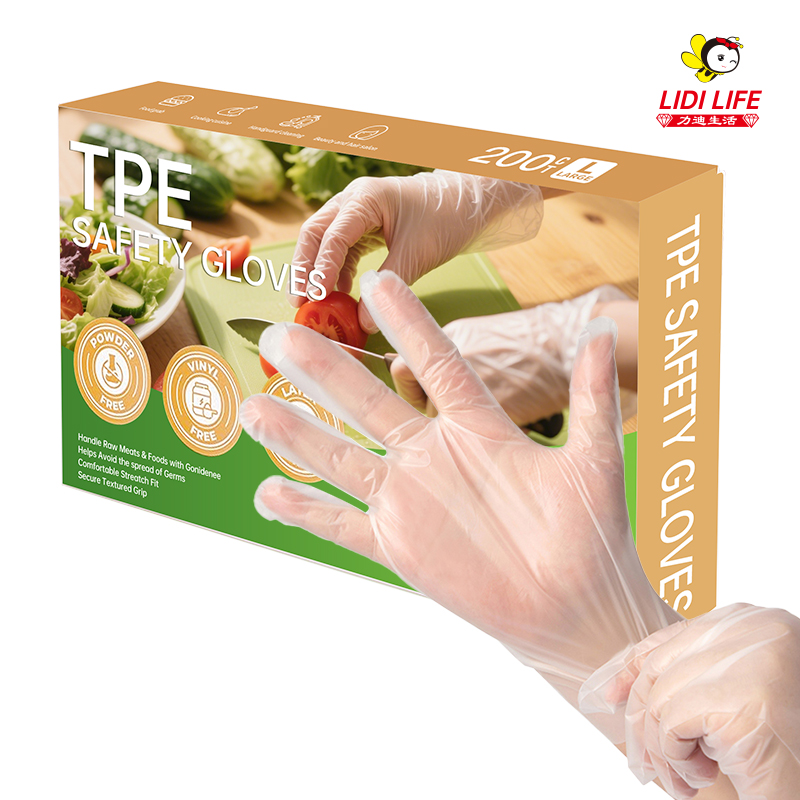
Japan’s food retail industry is changing rapidly as supermarkets, convenience stores, and chain restaurants introduce smarter food packaging systems and more efficient kitchen operations. One major trend reshaping the industry is the increasing use of polyethylene gloves in food packaging departments, automated kitchens, and fresh produce processing lines. Instead of focusing only on traditional restaurant use, Japanese companies are now integrating polyethylene gloves into highly organized supply chain systems that prioritize speed, cleanliness, and product consistency.
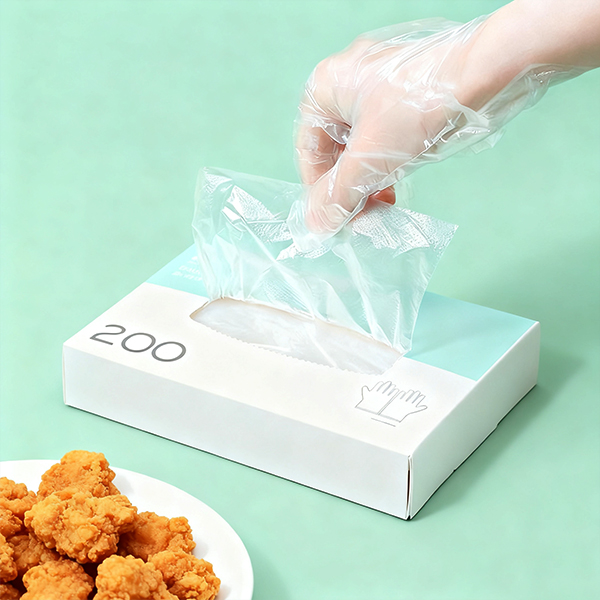
Convenience stores in Japan release new seasonal meal products almost every week. From limited-edition bento boxes to freshly packed fruit cups and premium sandwiches, food preparation teams must work quickly while maintaining strict hygiene standards. Employees handling these products rely heavily on plastic food gloves because they allow efficient food preparation without slowing down workflow. In many Japanese convenience store kitchens, workers may replace plastic food gloves dozens of times each day to ensure proper hygiene during different preparation stages.
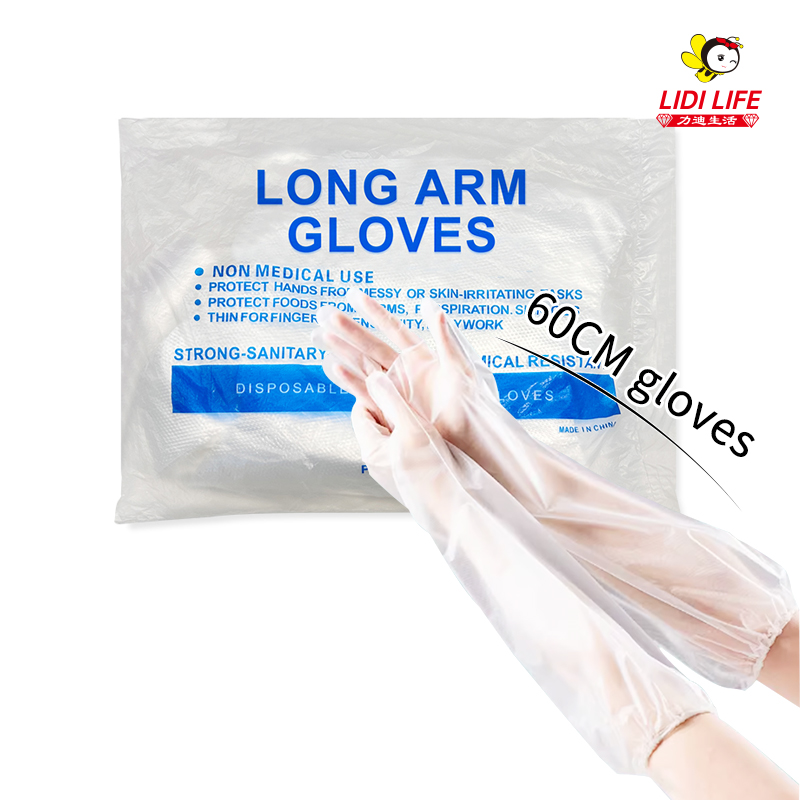
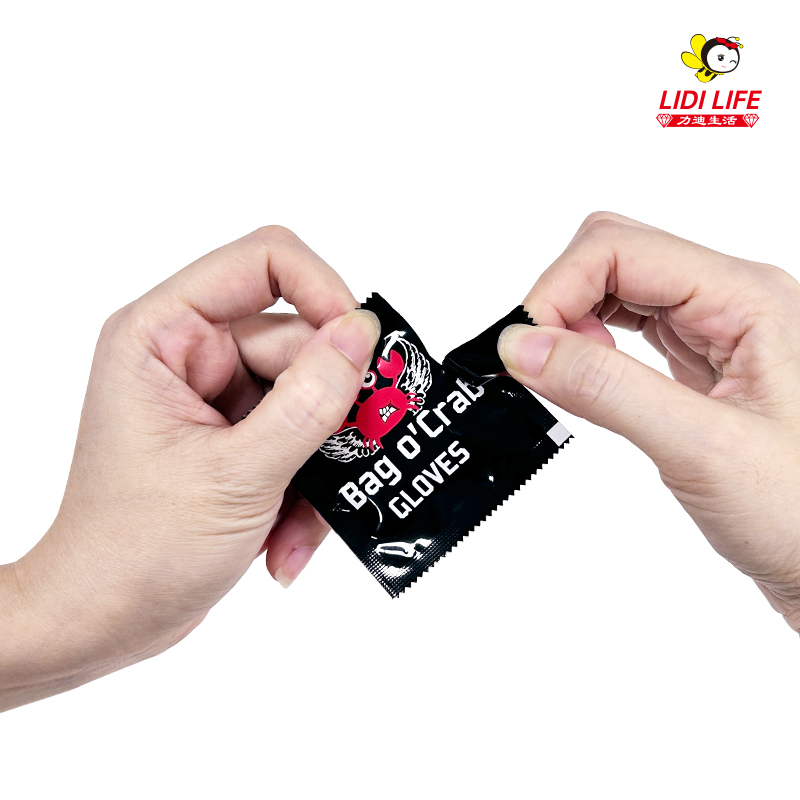
Lidi Plastics Co., Ltd. has developed specialized food service gloves for high-speed food packaging operations. Unlike traditional heavy disposable gloves, our lightweight food service gloves are designed for workers who repeatedly package meals, arrange ingredients, seal containers, and prepare takeaway foods for long hours. Japanese food companies increasingly seek glove suppliers capable of supporting fast-paced industrial food production rather than only restaurant kitchen use.
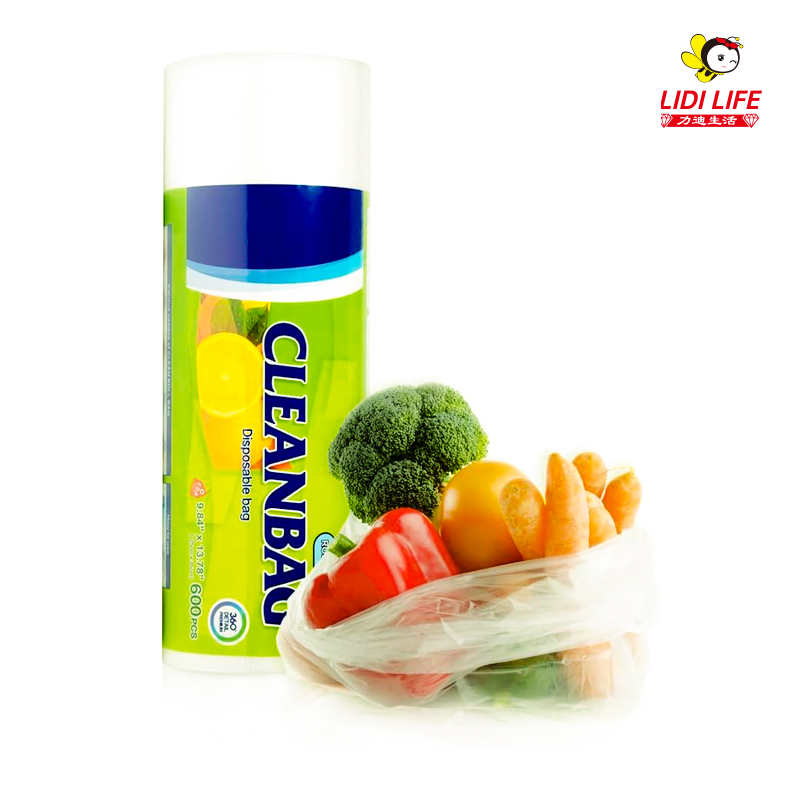
Another area driving demand for food handling gloves in Japan is the fresh-cut vegetable market. Supermarkets now sell large quantities of pre-washed vegetables, sliced fruits, salad kits, and ready-to-cook ingredient packs. Workers processing these foods wear food handling gloves throughout washing, sorting, cutting, and packaging procedures. Hygiene management has become extremely important because consumers expect convenience foods to remain fresh, clean, and safely prepared.
Japan’s railway meal industry is also contributing to increased demand for clear plastic gloves. Train station meal suppliers preparing bento boxes for high-speed rail passengers require efficient food packaging systems capable of handling large daily production volumes. Employees preparing rice portions, arranging side dishes, and packaging boxed meals frequently use clear plastic gloves during every stage of production. Disposable gloves help maintain consistency and cleanliness in highly organized meal assembly lines.
Lidi Plastics Co., Ltd. manufactures advanced polyethylene gloves using high-efficiency production equipment and strict inspection systems. Our polyethylene gloves are designed to provide smooth texture, lightweight flexibility, and comfortable wear for repetitive food preparation tasks. Japanese importers and distributors increasingly prefer manufacturers capable of maintaining stable production quality while supporting large-scale commercial orders.
Japan’s vending machine food sector is another growing market for plastic food gloves. Ready-to-eat sandwiches, frozen meals, packaged desserts, and microwaveable foods sold through vending systems require careful hygienic packaging during production. Workers involved in these packaging operations rely heavily on plastic food gloves because food products often move through multiple preparation and packaging stages before distribution.
The expansion of airport catering services throughout Japan has also increased demand for food service gloves. Airlines require meal suppliers to follow extremely strict food safety procedures because large quantities of meals are prepared and distributed within limited timeframes. Employees packaging inflight meals, desserts, snacks, and beverages frequently wear food service gloves during preparation and packaging operations.
Japan’s premium fruit industry also depends heavily on food handling gloves. High-value fruits such as melons, strawberries, grapes, and peaches are often packaged individually for retail sale or gift distribution. Workers handling delicate fruit products use food handling gloves to avoid contamination and preserve product appearance during sorting and packaging procedures.
Lidi Plastics Co., Ltd. understands that Japanese companies value precision manufacturing and operational consistency. Our factory follows rigorous quality management procedures throughout every stage of clear plastic gloves production. We also provide customized packaging solutions, OEM services, and flexible product specifications for Japanese wholesalers and private-label distributors.
The expansion of smart food factories and automated logistics systems is expected to further increase demand for polyethylene gloves throughout Japan. Food companies are continuously searching for disposable glove solutions that support both hygiene efficiency and cost control in modern production environments. Lightweight gloves are especially popular because they improve productivity while reducing unnecessary material usage.
Unlike traditional restaurant-focused disposable glove demand, Japan’s modern food industry now requires glove solutions for packaging automation, transportation preparation, vending machine foods, railway meal systems, fresh produce processing, and convenience food logistics. This industrial transformation is creating new opportunities for high-quality plastic food gloves, efficient food service gloves, hygienic food handling gloves, durable clear plastic gloves, and lightweight polyethylene gloves.
Lidi Plastics Co., Ltd. tetap berkomitmen untuk mengembangkan produk sarung tangan sekali pakai yang dirancang khusus untuk sistem produksi makanan Jepang yang terus berkembang. Dengan berfokus pada tren pengemasan makanan industri, dukungan otomatisasi, dan efisiensi operasional, kami terus membantu bisnis Jepang meningkatkan standar kebersihan sambil mempertahankan produktivitas dan kepuasan pelanggan.